
What to Know Before Getting Permanent Veneers: Pros, Cons & Lifespan
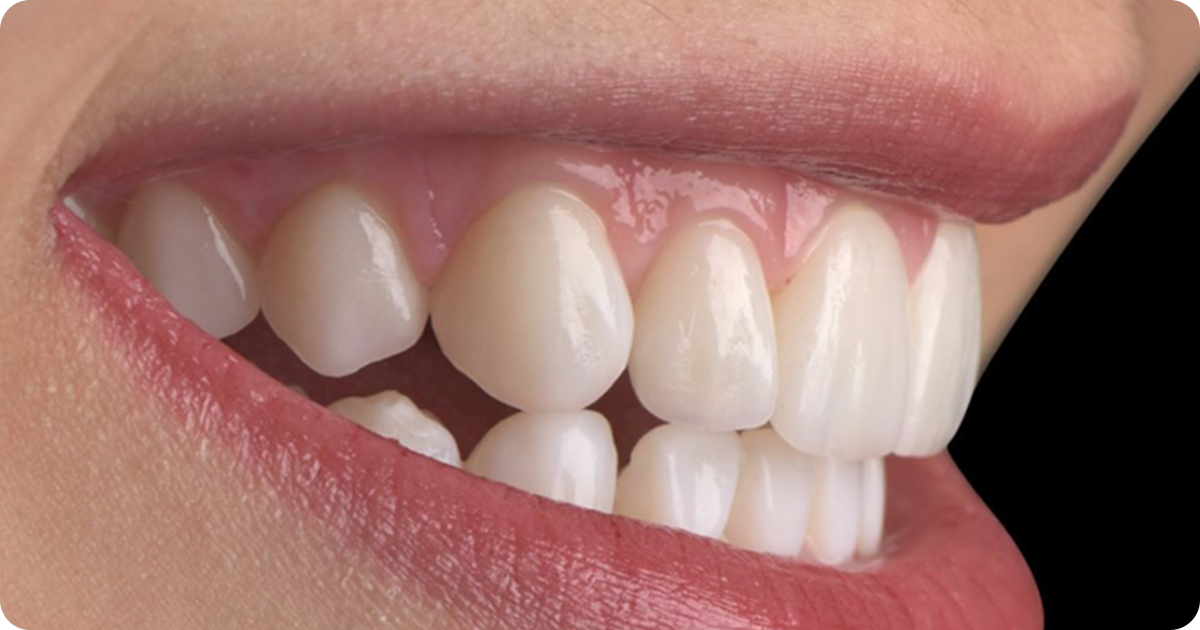

Choosing permanent veneers is a life-changing decision for anyone looking to achieve a flawless, confident smile.
Many individuals searching for the perfect aesthetic solution find themselves overwhelmed by endless information regarding veneers (laminate) and how they affect natural teeth.
If you are experiencing anxiety about whether this popular dental treatment is truly worth the investment, you are not alone. Understanding the comprehensive reality of the procedure is crucial before walking into a dental clinic.
The Transformative Pros of Modern Dental Veneers
When investigating permanent veneers (laminate), the benefits are undeniably attractive compared to other aesthetic options.
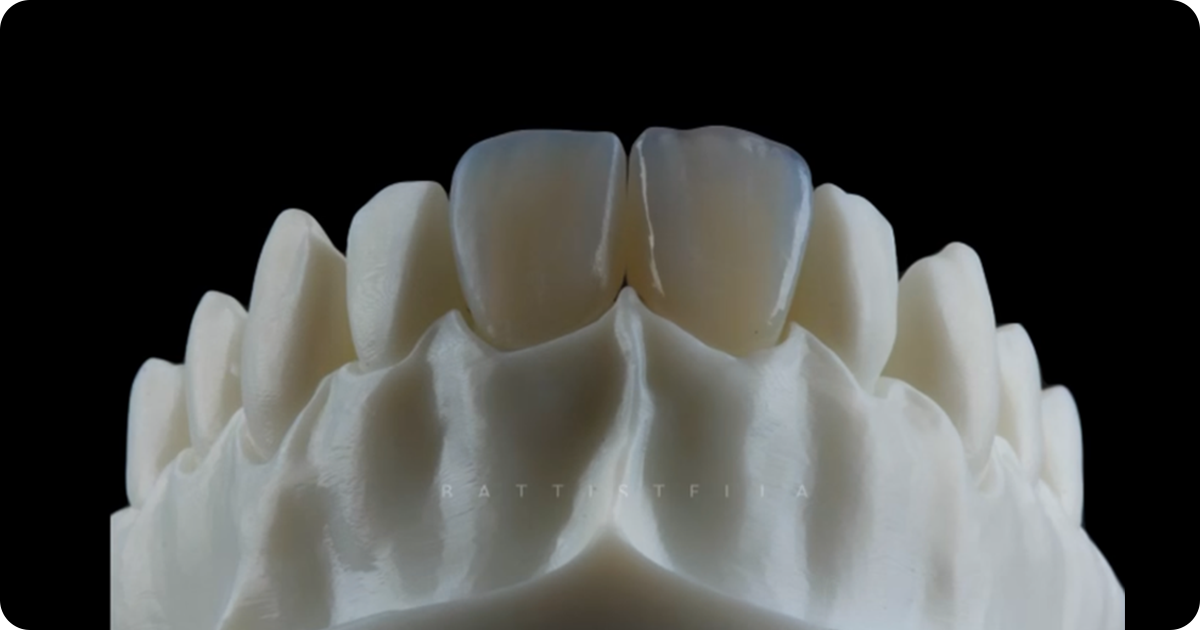
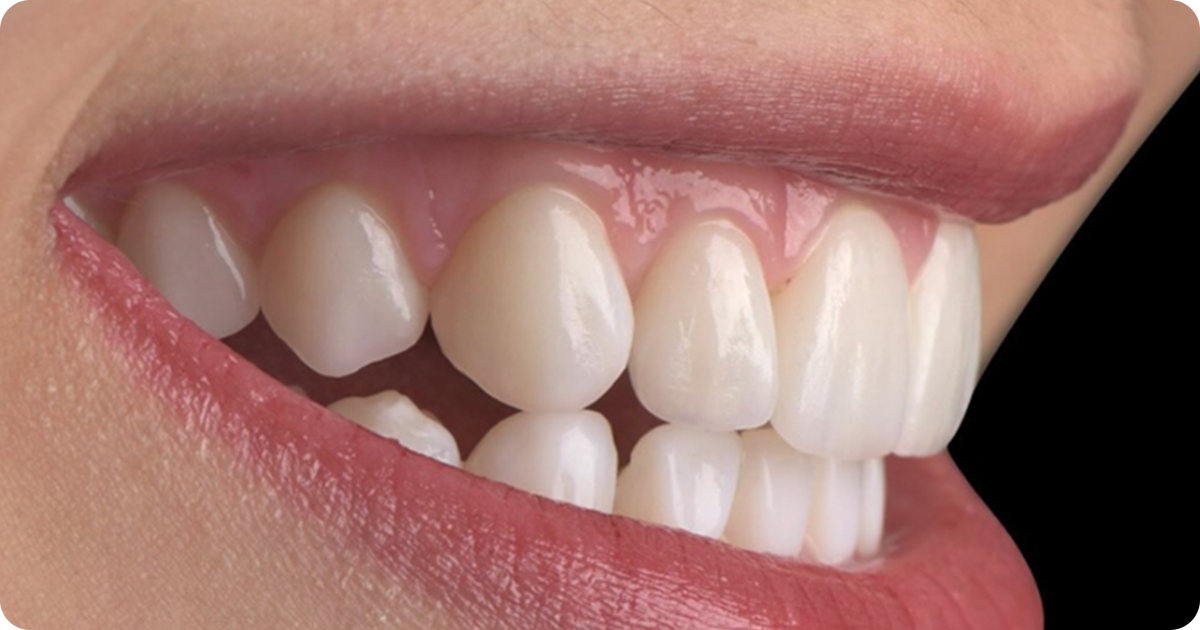
First, the treatment duration is remarkably short and straightforward. Correcting misaligned teeth or closing unsightly gaps with traditional orthodontics takes at least six months and requires wearing complex, uncomfortable braces. In stark contrast, completing your smile with aesthetic veneers (laminate) takes only about one week with just two clinic visits.
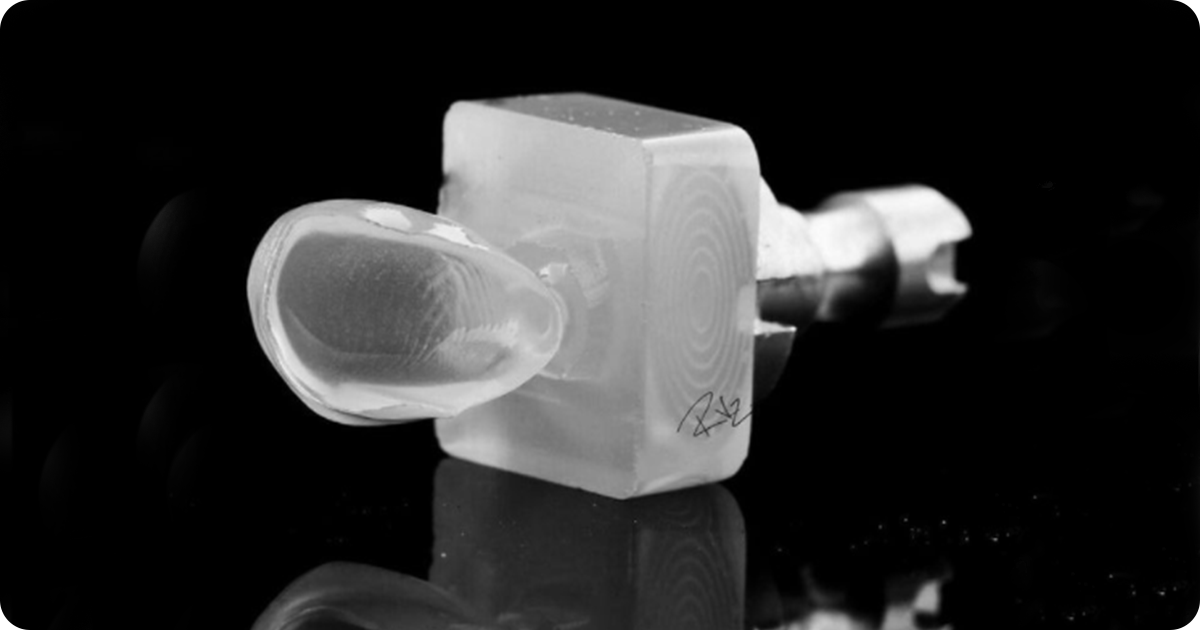
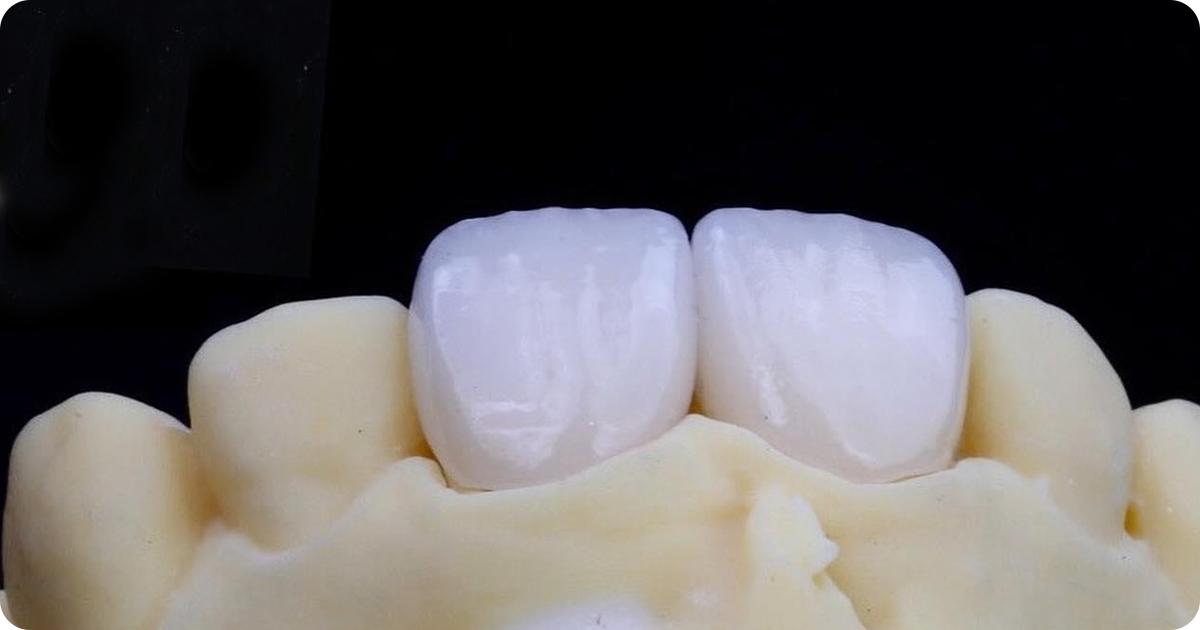
Second, this procedure requires minimal tooth reduction compared to traditional full-coverage crowns. While a standard crown involves grinding down the entire circumference of the tooth, thin dental veneers only require a minor shave on the facial surface, effectively preserving the vital inner structure of your natural teeth. Advanced materials like Amber Mill by HASS allow clinicians to design incredibly thin yet resilient restorations, maximizing tooth preservation while delivering unmatched aesthetics.
Finally, high-quality permanent veneers offer outstanding color stability. While direct composite resin restorations often discolor or stain after 4 to 5 years, premium ceramic veneers (laminate) exhibit superior resistance to staining agents compared to natural enamel, ensuring your brilliant smile remains bright for years to come.
Understanding the Potential Cons and Clinical Risks
Despite the overwhelming benefits, a balanced perspective requires evaluating the inherent drawbacks of veneers.
The first consideration is that the procedure is irreversible, as it requires a slight removal of the healthy tooth structure.
Unlike teeth whitening or non-invasive options, permanent veneers demand meticulous preparation of the enamel.
Secondly, because they are fabricated as ultra-thin ceramic shells, mechanical complications such as fractures, chipping, or micro-cracks have been reported in long-term clinical literature (Layton 2007, Fradeani 2005).
Furthermore, if the intricate bonding protocol between the tooth substrate and the ceramic is not executed with absolute precision, complete debonding or loss of retention can occur.
Another common issue is marginal discoloration. While the body of the porcelain veneer itself will not stain, the exposed resin cement line at the margin can undergo minor discoloration over time (Cho & Shim 2008).
Fortunately, these technical limitations can be drastically minimized by utilizing high-precision materials.
Amber Mill is globally recognized for its exceptional edge stability and high density, which allows for highly accurate marginal fit and dense structures that reduce the risk of chipping and micro-leakage.
The Real Lifespan and Clinical Success Rates of Permanent Veneers
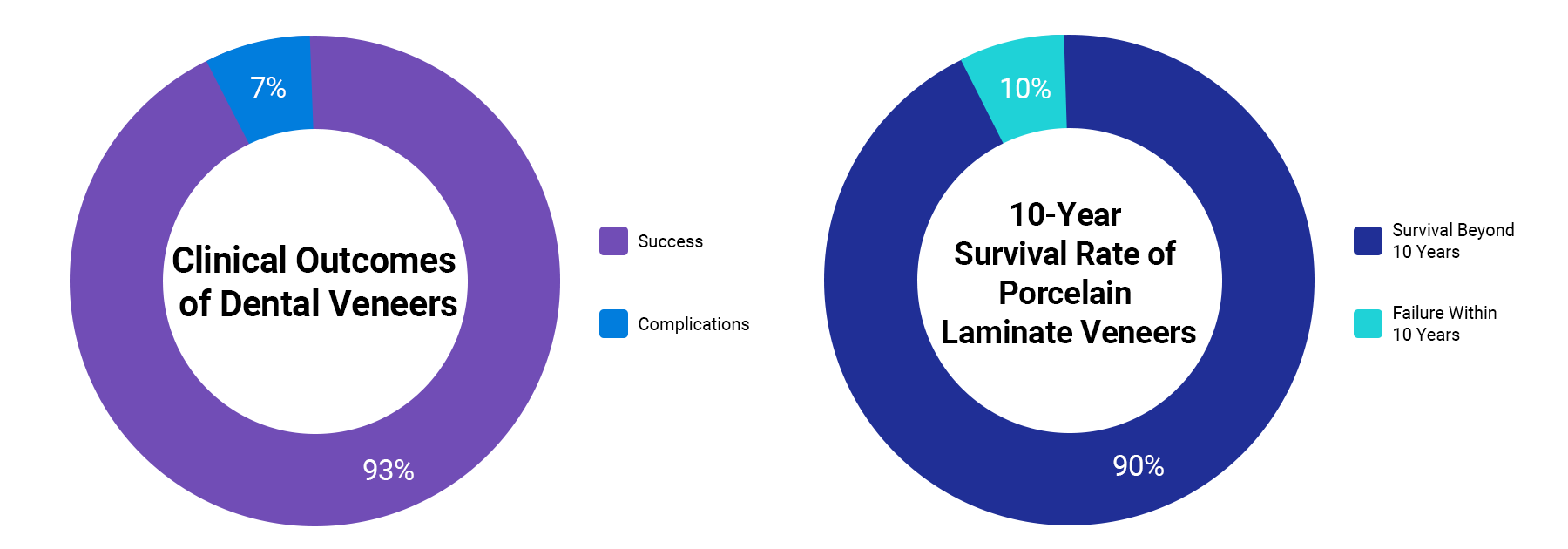
How long do permanent veneers actually last? Clinical data brings reassuring news to patients concerned about longevity. According to landmark studies, when clinicians meticulously follow recommended preparation protocols and patients exercise careful maintenance, complications are exceptionally rare. In fact, a famous study reported that major failures occurred in only 7% of patients over a 15-year period (Magne & Belser 2003).
Additionally, long-term retrospective studies by Fradeani (12-year evaluation) and Dumfahrt (10-year evaluation) demonstrate a remarkable 10-year survival rate of over 90% for porcelain laminate veneers. This impressive longevity directly rivals the survival rates of dental implants, conventional crowns, and fixed bridges.
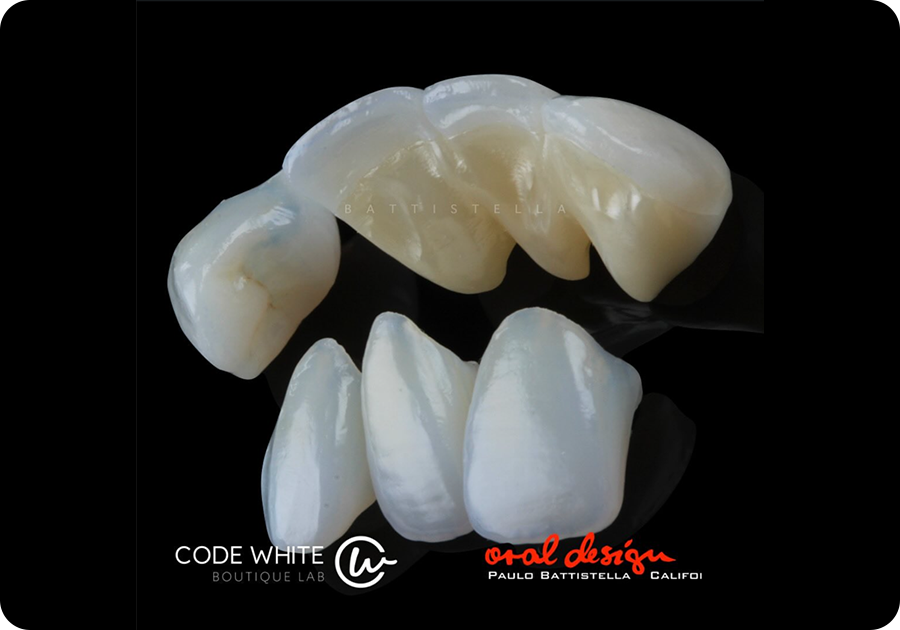
To achieve this maximum lifespan, selecting the right material is paramount. Amber Mill’s unique machinable glass-ceramic technology features a freedom of translucency control through heat treatment, yielding reinforced physical strength and aesthetics. For patients with parafunctional habits like bruxism, combining a high-strength material like Amber Mill with a custom night guard during sleep ensures that your permanent veneers remain pristine and functional for decades.
Investing in permanent veneers is a reliable and highly aesthetic way to redefine your smile, provided you choose advanced dental materials and expert clinical care.
Are you ready to take the next step toward a radiant, long-lasting transformation? Speak with your dental professional today about utilizing Amber Mill by HASS for your upcoming cosmetic procedure.
Explore our official website to find certified dental clinics and discover how our cutting-edge lithium disilicate solutions can elevate your smile design.