
Do Veneers Hurt? Pain, Sensitivity, and What to Expect Before and After Treatment

Veneers hurt is often the very first concern that crosses the mind of anyone dreaming of a flawless smile but hesitating due to the fear of dental procedures. The thought of enamel reduction and post-treatment discomfort can easily turn excitement into anxiety for individuals seeking a smile makeover.
Many patients put off achieving their aesthetic goals simply because they worry about veneer sensitivity and long-term tooth health. Understanding what actually happens during the process can help alleviate these fears and clear up common misconceptions.
Understanding the Reality of Tooth Preparation and Discomfort
To understand whether veneers hurt, it is essential to look closely at the stages of treatment, starting from preparation. Traditional veneer procedures often require removing a layer of tooth enamel to ensure the porcelain sits flush, which can expose the underlying dentin and trigger temporary veneer sensitivity.
During treatment, local anesthesia is typically used so patients feel no pain while the dentist shapes the teeth. However, once the anesthesia wears off, normal sensitivity to hot and cold stimuli can occur as the teeth adjust to their new restorations and the altered enamel boundary.
It is vital to distinguish between normal, temporary post-operative sensitivity and abnormal pain that signals underlying issues like poor marginal fit or excessive tooth reduction. Excessive enamel removal not only increases veneer sensitivity but also compromises the long-term structural integrity of the tooth, making conservative approaches crucial for patient comfort.
How Amber Veneer Redefines Minimally Invasive Dentistry
Modern cosmetic dentistry has evolved to prioritize minimally invasive techniques, and material selection plays a massive role in minimizing discomfort. When patients ask if veneers hurt, the answer heavily depends on how much natural tooth structure must be sacrificed to achieve the desired aesthetic result.
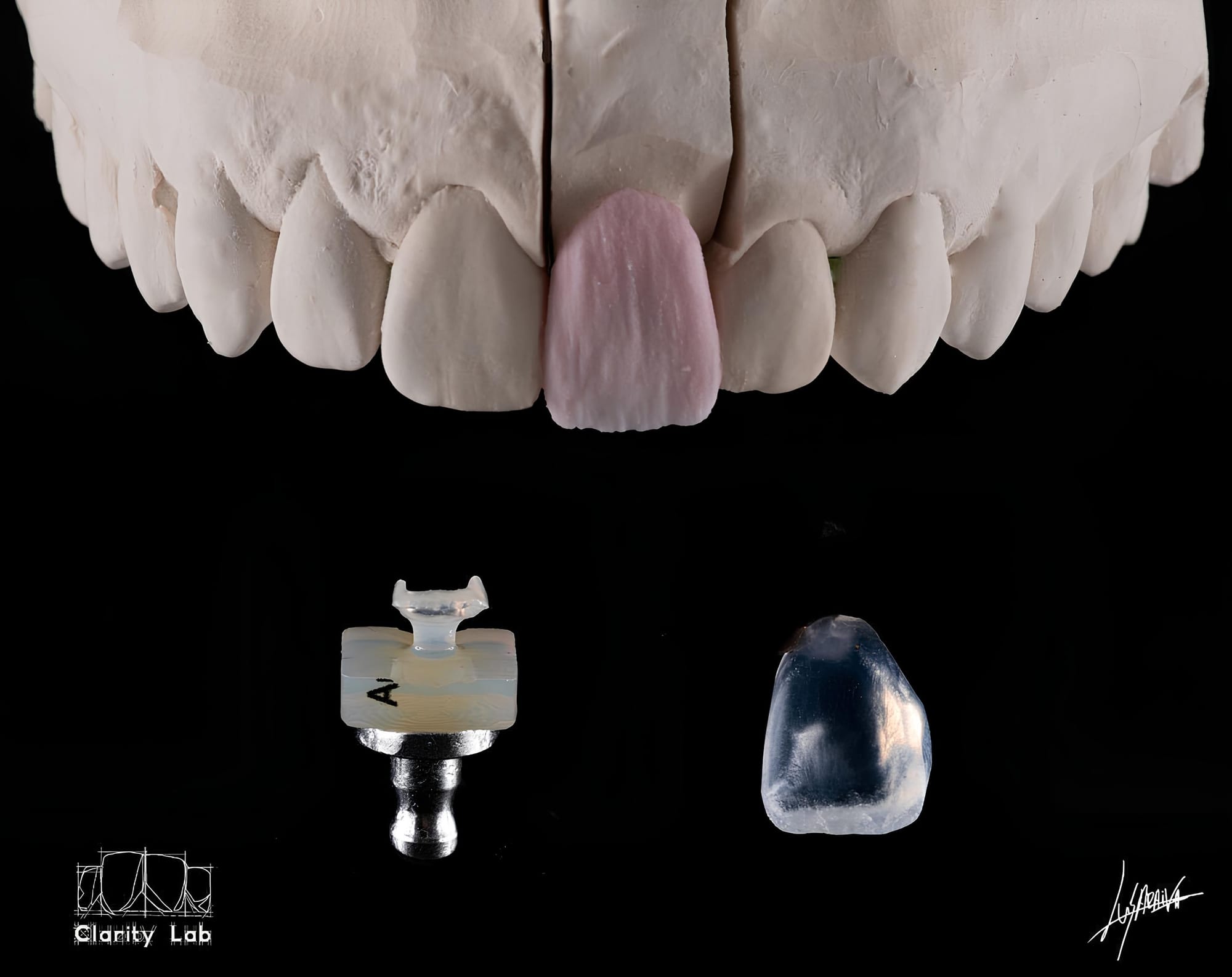
This is where advanced lithium disilicate materials like Amber Veneer change the paradigm of comfortable, conservative restorations. Because of its exceptional mechanical strength and microstructural stability, Amber Veneer allows clinicians to design exceptionally thin restorations without compromising durability.
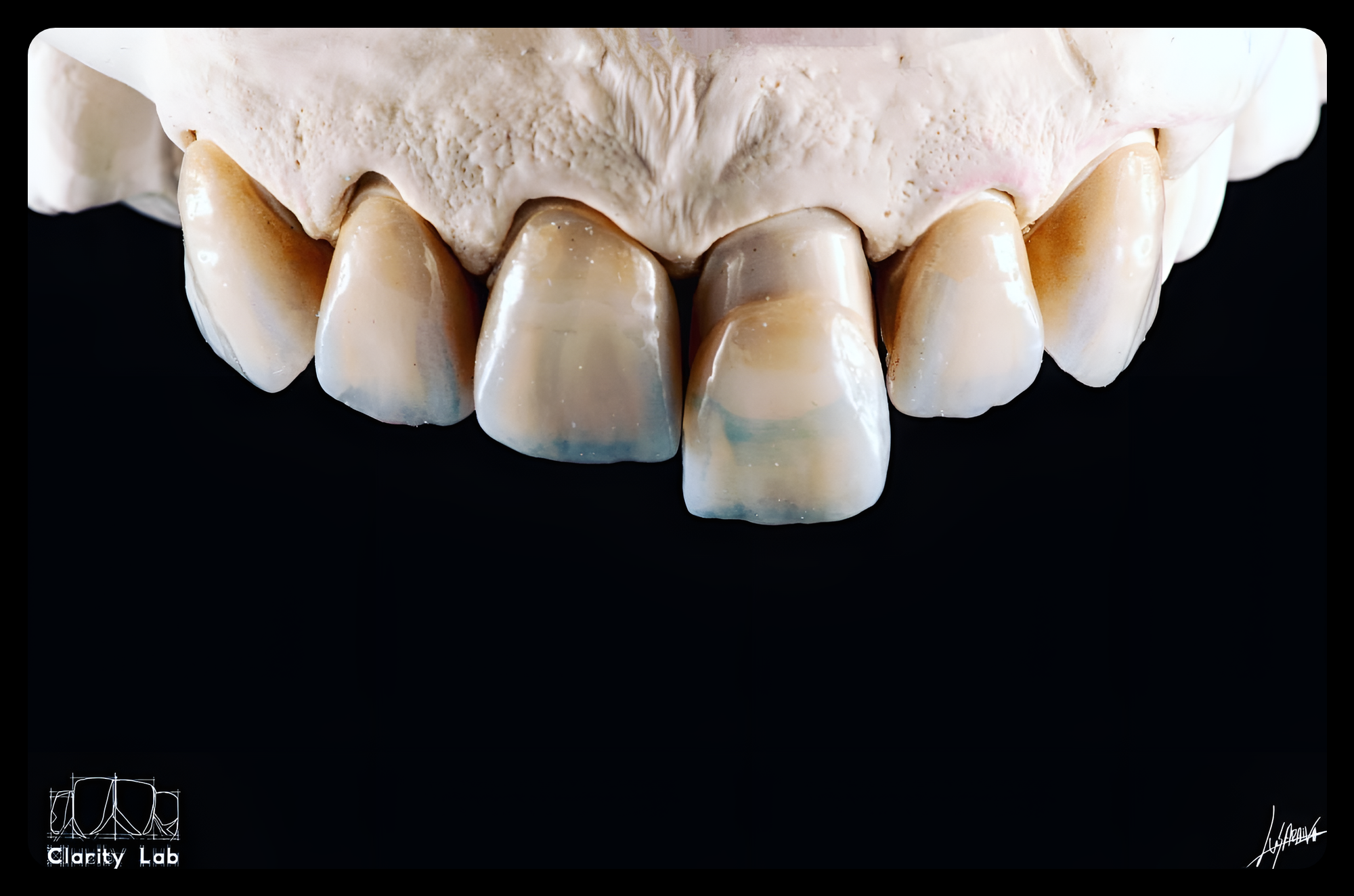
Minimal reduction means significantly less trauma to the tooth structure, which directly reduces veneer sensitivity and eliminates the fear that veneers hurt during or after placement. Patients can achieve a stunning transformation while keeping their natural teeth as healthy and intact as possible.
Clinical Advantages and Aesthetic Excellence for Everyday Practice
Amber Veneer stands out in clinical practice because it combines ultra-conservative preparation requirements with natural aesthetics, making it an ideal choice for front teeth makeovers. Dentists can successfully address cosmetic flaws, discoloration, and minor misalignments with minimal stress to the patient.
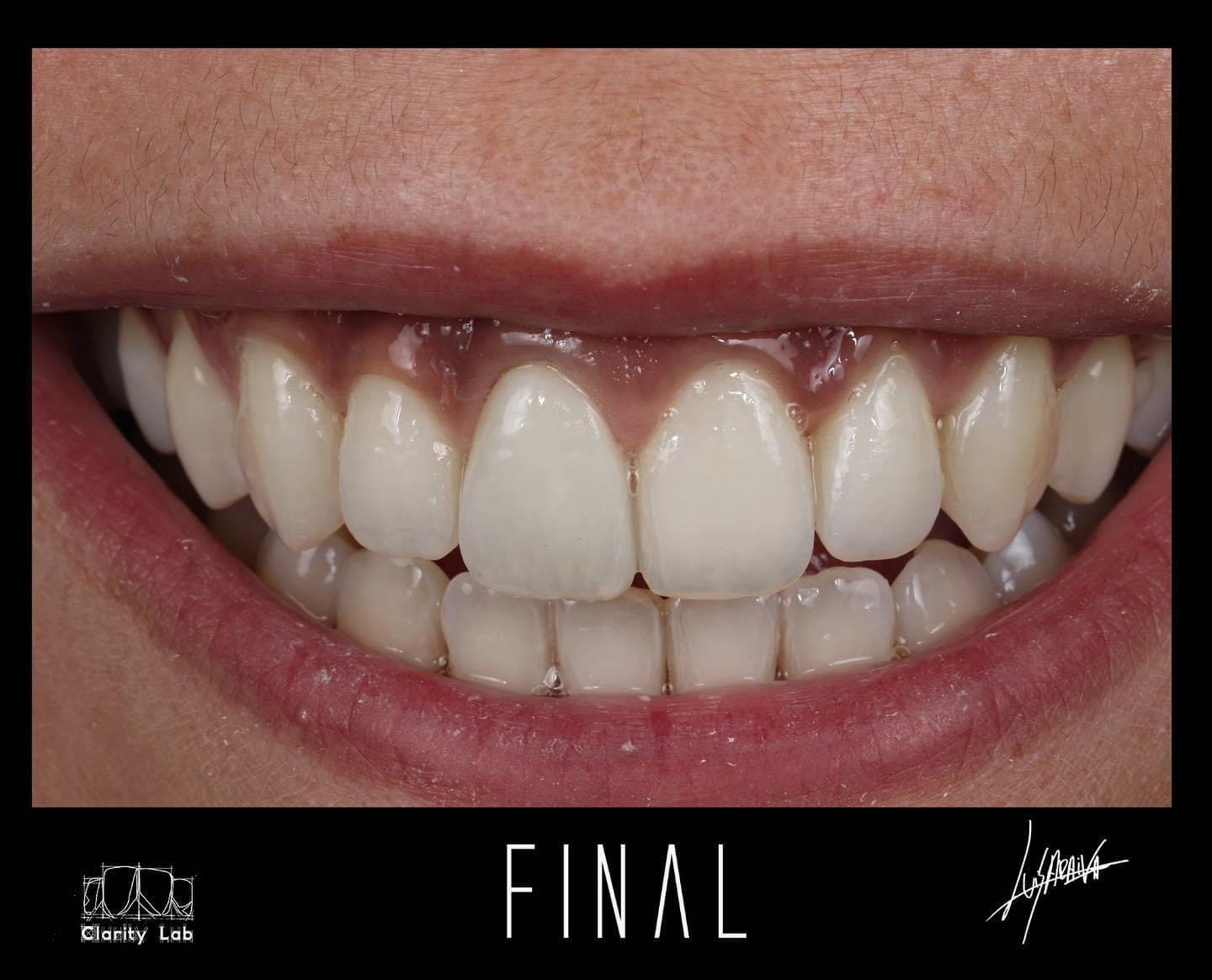
Furthermore, the material offers optimized translucency and opalescence that mimic real enamel, ensuring that even ultra-thin applications look lifelike and vibrant. Whether a patient is worried that veneers hurt their daily routine or their long-term oral health, Amber Veneer provides a reliable, biocompatible pathway to a confident smile.
Take the Next Step Toward a Confident, Pain-Free Smile
You no longer have to let the fear of discomfort or veneer sensitivity hold you back from achieving the smile you deserve. Talk to your dental professional today about how a conservative approach with Amber Veneer can transform your smile gently and effectively.